
What's Happening In Nature

February may be the shortest month, but in nature it’s full of subtle change. While winter still has a firm grip, careful observers will notice that the days are growing longer, the sun feels a little stronger, and birds are already preparing for what’s ahead.
Did you know that at least one species of owl may be living in your neighborhood? Mating season begins for barred, great horned, screech and saw-whet owls. Be sure to listen for their calls in the late evening or night. The great horned owls will be nesting by the end of this month. The great horned owl does not generally build nests on their own. They will usually take over an unoccupied nest of birds such as ravens, crows, or raptors. Occasionally, you may find them nesting in tree cavities.
The breeding season for the eastern coyote peaks the middle of this month. They are more vocal during the breeding season as they seek mates and establish their territories. Coyotes are territorial animals that live in family groups known as packs. During the breeding season, they become very active in marking and defending their territories to protect their pack from other coyotes and ensure they can successfully raise pups in the spring.
February is also the breeding season for red foxes, eastern gray squirrels, and striped skunks. The breeding season for striped skunks continues until about mid-April.
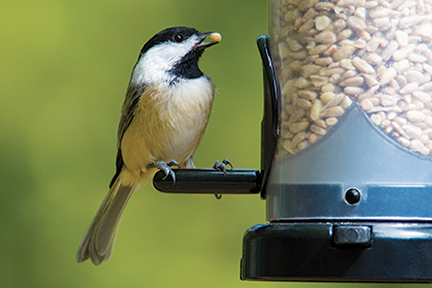
Did you clean out your nest boxes last fall? If not, you should clean them out this month. Believe it or not, some birds like bluebirds and chickadees are now scoping out neighborhoods to raise a family. They are looking for potential home sites (nest boxes) and reliable food sources (bird feeders). Are you laying out the proverbial welcome mat for them?
February is also National Bird Feeding Month, a time to recognize the importance of providing food and shelter for our feathered friends during the toughest part of winter. Offering high-energy foods like suet, peanut pieces, or mealworms can be a lifeline for birds like woodpeckers, chickadees, and nuthatches.
In the garden, snowdrops and hellebores—nature’s brave winter bloomers—begin to emerge as the frost loosens its grip. Beneath the snow, bulbs and roots are stirring, preparing for March’s explosion of life. These tiny signs remind us that the earth is quietly preparing for warmer days.
Enjoy the beauty of nature around you this month and continue to enjoy nature’s unfolding story!